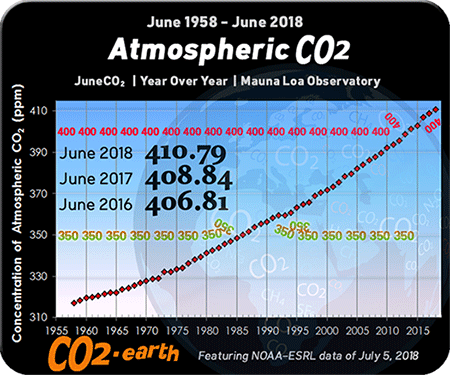
Study that graph. (Y-o-Y . . . "Why, Oh Why" you might pronounce it --means "year over year.")
What the graph should show but doesn't is oil price. According to the conventional economic wisdom, plummeting demand for oil means plummeting prices ... not prices fully at 50% of their all-time peak.
What's going on? Why, oh why, is the world and particularly the US in such a state? Well, it's actually simple to understand, once you know that economic "growth" is simply a shorthand way of saying "measuring, in monetary units, of using more energy and materials." Given that, and given that our economic chefs assumed that there was a limitless energy supply when devising the recipe for everything grown, mined, made, or moved in this country, the consequences of reality seem abrupt and painful: energy is actually quite finite, and the kind of energy we're most dependent on --- cheap oil --- is now starting to decline in availability.
In other words, "demand" is recorded as declining because the powers-that-be cannot bring themselves to admit that the world would be quite happy to use lots more oil, except that it's not there (since only a infinitesimally small amount of oil is stored, demand always equals supply ... the graph above should be labeled "supply rate" rather than demand).
Bottom line, the minimum price needed to keep the oil flows from plunging happens to be above the price that causes economies built on cheap oil to collapse. The only way to square that circle and maintain the conventional wisdom blinders is to pretend that "demand" is down and to ignore that the high prices for oil in a reduced demand market seems to suggest that the law of supply and demand has been repealed. Either way, the catastrophic effects are the same: fewer jobs, more poverty, more hunger, more social unease as the post-peak-oil hangover kicks in.
The result for Salem: we're in the new era where "growth" and big new infrastructure projects -- the third bridge, new elementary schools, to name just a few -- are finished. All public investments from here out need to be aimed at reducing our reliance on fossil energy not increasing it or servicing those parts of our system that were built when we thought the party would last forever. (Hat tip to the
Goal One Coalition blog for the graph.)
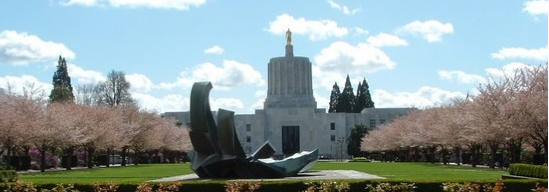
 The head of the "First University in the West" is on the board of Oregon's most destructive polluter, the one foreclosing any hope for survival for millions of the world's poorest people. Still, it is profitable, so there's that. Image via Wikipedia


![Reblog this post [with Zemanta]](http://img.zemanta.com/reblog_e.png?x-id=0ac8f20f-883e-403d-b9f5-962386011eaa)

![Reblog this post [with Zemanta]](http://img.zemanta.com/reblog_e.png?x-id=14a77524-4ae4-4dd9-926b-2a7ae3e5b4c5)

![Reblog this post [with Zemanta]](http://img.zemanta.com/reblog_e.png?x-id=49747e78-4f06-495c-84ab-1b0a9a3b7408)

![Reblog this post [with Zemanta]](http://img.zemanta.com/reblog_e.png?x-id=89c8a2a3-e14b-488e-9542-279e923ce16c)


![Reblog this post [with Zemanta]](http://img.zemanta.com/reblog_e.png?x-id=2e190162-cf4c-49ef-95d0-e82021c12a1f)

![Reblog this post [with Zemanta]](http://img.zemanta.com/reblog_e.png?x-id=c2b35a46-c447-4bcb-b277-d33ea342b024)

 Posts
Posts